 Speak for Wolves
2021 Speaker Announcements

Wolf Advocates,
We’re looking forward to seeing you (online) August 14-15 for Speak for Wolves 2021 to learn about the latest status of wolves in the US, effective wildlife advocacy tools, history of wolf vilification, and more! Check out our program page for the full schedule and register now to reserve your spot! Space is limited. Webinar access information will be sent to registrants a few days before the conference.
Zoë Hanley leads Defenders of Wildlife’s coexistence initiatives in the Northwest, working directly with communities sharing the landscape with imperiled species like grizzly bears and gray wolves. For the past decade, Zoë has worked to deepen human understanding of carnivore ecology and develop strategies for human-carnivore coexistence.
Zoë will talk about Innovating Predator-Livestock Non-Lethal Tools: RAG Box 2.0: The radio-activated guard (RAG) box was developed in the late 1990s as a visual and acoustic device to deter predators from killing livestock in small pastures. However, the design had never been standardized; devices were expensive, lacked protection for sensitive radio-collar frequencies and were prone to malfunction and user error. To address these issues, we partnered with engineers and multiple state wildlife agencies in 2020-21 to develop the RAG box 2.0. We conducted preliminary field tests to evaluate the efficacy of this updated non-lethal tool in Washington and Oregon. The results will help determine the appropriate uses of this tool and add to a growing body of scientific studies that support the use of humane tools for predator-livestock conflict resolution.

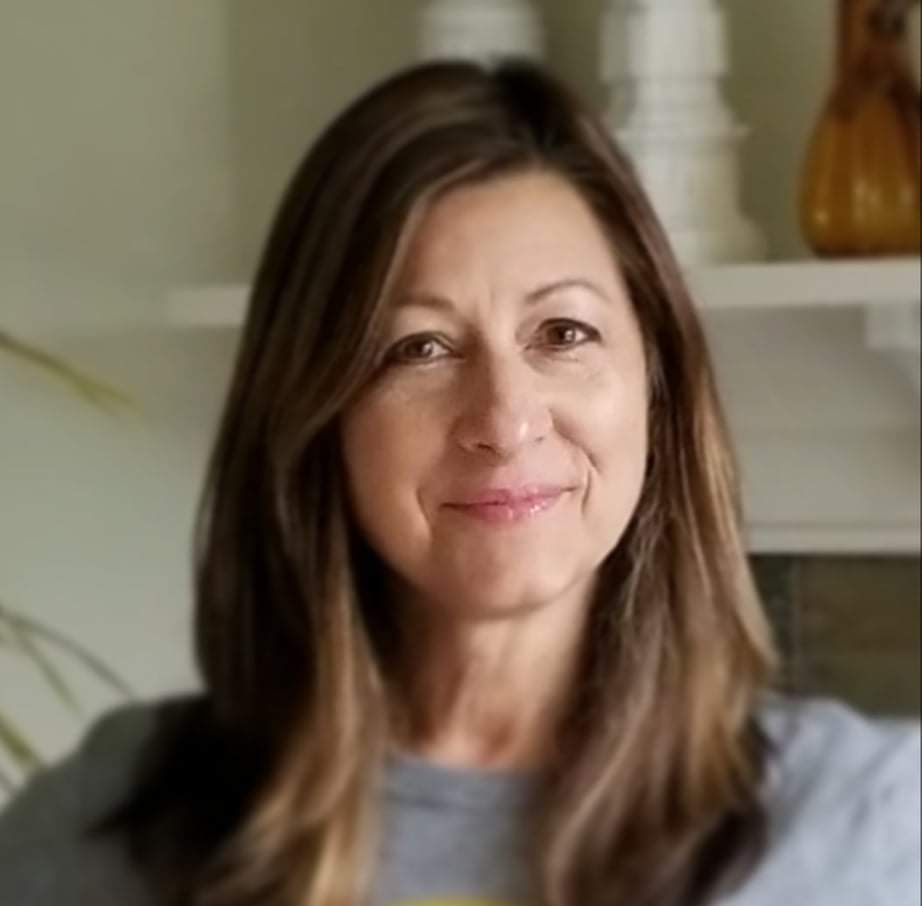
Lynn Okita is a longtime wildlife enthusiast and advocate and has a special interest in wolves. She is a member of the WA Department of Fish & Wildlife Wolf Advisory Group (WAG), and advocates for coexistence with wolves in this diverse stakeholder group representing conservationists, livestock producers, hunters, and outdoor recreationists. She is the Board Chair of Western Wildlife Outreach, a nonprofit based in WA, and is a member of the Pacific Wolf Coalition Steering Committee.
In the past, Lynn volunteered for Olympic Wildlife Rescue in western WA (now closed), and at the University of Alaska, Fairbanks, Large Animal Research Station where reindeer, caribou, and musk oxen were studied. She is a nurse practitioner and has worked in various healthcare settings over the years. Lynn will give an update on the Status of Wolves in Washington.
2021 Collector Conference T-shirts

Available in our store!
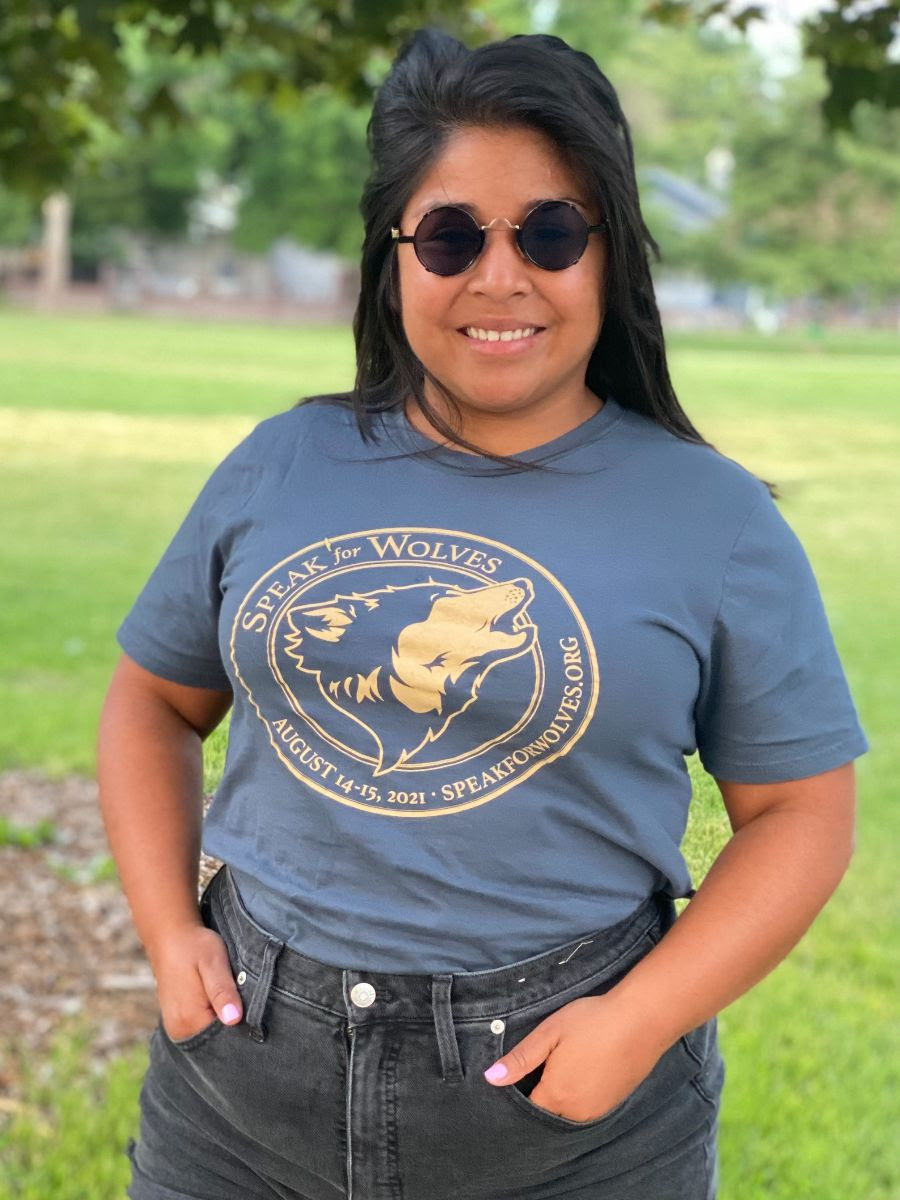
This year’s shirts are screenprinted by a local Portland artist on 100% organic cotton, sweatshop free, USA-made, unisex, soft jersey Royal Apparel tees in Pacific Blue color with gold ink.
Buy yours now to support the conference!
Remaining stock of 2019 and 2020 shirts are 50% off.
In honor of Pride month and to support our LGBTQ community, 10% of all merch sales in June will be donated to The Trevor Project.

Good News & Speaker Announcements
Despite all of the recent bad news about anti-wolf legislation, there has also been good news:
- California just announced the new Beckwourth Pack in Plumas country, the third pack to establish in the state in 100 years;
- Colorado reported the first wolf pups born in the state since the 1940s;
- And just this week, a coalition of environmental groups filed notice of intent to sue Montana over the likelihood that the state’s new wolf snaring and trapping laws will also kill endangered Canada Lynx and Grizzlies.
Join us August 14-15 online for Speak for Wolves 2021 to learn about the latest status of wolves in the US, effective wildlife advocacy tools, history of wolf vilification, and more! Register now to reserve your spot!
2021 Collector Conference T-shirts
Available in our store!
This year’s shirts are screenprinted by a local Portland artist on 100% organic cotton, sweatshop free, USA-made, unisex, soft jersey Royal Apparel tees in Pacific Blue color with gold ink.
Buy yours now to support the conference!
Remaining stock of 2019 and 2020 shirts are 50% off.
In honor of Pride month and to support our LGBTQ community, 10% of all merch sales in June will be donated to The Trevor Project.
2021 Speaker Announcements
Christopher Sebastian is a journalist, technical writer, and digital media specialist who uses pop culture, media studies, political science, and social psychology to examine human relationships with other animals.
Sebastian will talk about the history of how wolves got to be demonized and vilified, who benefits from this vilification, and why some academics call the divided public opinions on wolf preservation “the abortion issue of wildlife.”

Sarah Hanneken, Legal Advocacy Counsel at Animal Equality, is an attorney specializing in litigation and legislation impacting animals. Sarah serves on the board of directors of Faunalytics, a nonprofit that conducts essential research related to animal advocacy, maintains an online research library, and directly supports advocates and advocacy organizations in their work to improve the lives of animals.

Every wildlife advocate has experienced the frustration of feeling ineffective. The passion that drives us to work so hard on behalf of vulnerable species can also lead to burnout and despair if results aren’t achieved. Thankfully, data exists that can help wildlife advocates understand how people think about and respond to different advocacy tactics, providing us with the best strategies to inspire changes to hearts and minds – changes that are necessary for us to ultimately improve the world for wild creatures.
We Must Act to Fight for Wolves

Things have been tough for wolves this past year, especially with the late October delisting of wolves from the US federal Endangered Species Act by the Trump Administration. As a result, Wisconsin was sued to open a wolf hunting season immediately for spring 2021, resulting in at least 216 wolves killed in 3 days, exceeding the quota of 119 wolves set for what was supposed to be a one-week hunting season.
Recently, bills passed in Montana allowing snaring and extending the wolf trapping season by a month, putting grizzlies and other non-target species at much greater risk, were passed and signed by Governor Gianforte (who himself was caught illegally trapping and killing a wolf on one of his donors’ property outside Yellowstone in February). Montana is on the verge of signing into law more two anti-wolf bills—creating a bounty on wolves, allowing baiting and spotlight/night vision hunting, and removing the current 5-wolf limit on hunters and trappers to allow an unlimited number of killings.
And just this week, Idaho introduced legislation that will vastly increase wolf killing in the state: unlimited wolf kills for hunters and unlimited methods to hunt them.
Hunters, trappers, and the livestock industry are blooodthirsty for our keystone predators. Wolves are facing more hardships now than they have in the last 100 years, so we must act to fight for wolves!

5 Ways to Take Action Today
- This Monday, April 26th: Speak up for Wolves at Washington’s Wolf Advisory Group Public Meeting! The WAG will discuss progress on and draft language for the new chronic conflict section of the wolf-livestock interaction protocol.
- On Wednesday, April 28th, Colorado Parks and Wildlife is holding the first in a series of information sessions regarding wolf reintroduction in Colorado. Register here.
- URGENT: Contact Governor Brad Little of Idaho and ask him to veto bill SB 1211. Call 208-334-2100 or email governor@gov.idaho.gov
- The decision to end federal wolf protection means that states will manage wolves — please take a moment to tell governors with wolves in their states to do everything in their power to ensure the species’ survival and recovery. Tell Governors: Now’s the Time to Protect Wolves!
- Wolf OR-93, born into the White River pack on the Warm Springs Reservation, recently dispersed through Oregon and California to the Central Valley and beyond. Amaroq Weiss, Senior West Coast Wolf Advocate at the Center of Biological Diversity, recently gave a talk on the current status of wolves in California and the West Coast for the Friends of San Pedro Valley Park. Watch: Amaroq Weiss: The Return of the Wolf
Rosie Sanchez Joins Speak for Wolves’ Board
We are thrilled to announce that Rosie Sanchez, wolf advocate extraordinaire who helped get wolf reintroduction initiative Prop 114 passed in Colorado last year, has joined our Board of Directors!
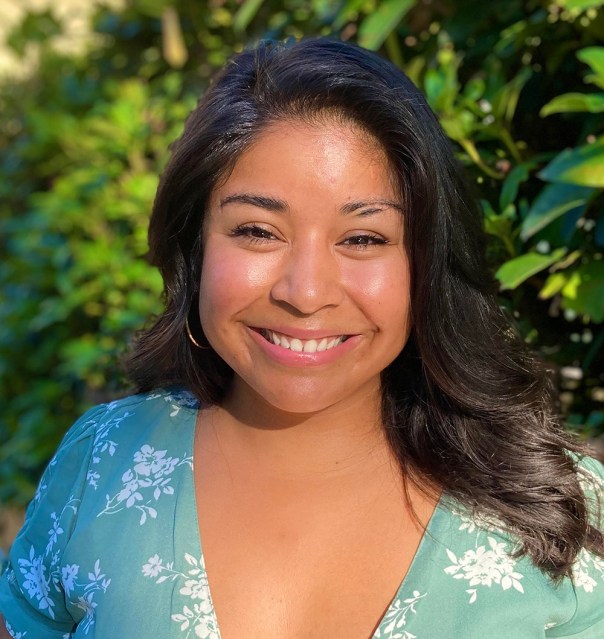
Rosie spoke about her Colorado reintroduction work at our 2020 conference. As the Rockies and Plains Program Coordinator at Defenders of Wildlife, Rosie provides support to the programs and operations to Defenders’ regional Director and team members in Montana, Wyoming and Colorado.
Before joining Defenders, Rosie started her career in the conservation field interning at the Wildlife Safari in Winston, OR in public outreach and education that later led to her working with the Audubon Society of Portland, where her love for birds was amplified by working hands on with rehabilitation and preservation. After leaving Portland, Rosie ventured and lived in Yellowstone National Park, hiking, birding and backcountry backpacking, ultimately leading her to the Rocky Mountain state of Colorado.
Rosie received her B.S. in Fisheries and Wildlife Sciences with a specialization in Conservation Biology from Oregon State University.
Day of Action Protest To Stop Killing Wolves in Washington – TODAY

Terrible news out of Washington: The two remaining wolves of the Wedge pack, an adult female and an adult male, were killed by the state on Aug. 13, finishing off the pack completely. Now, up to two wolves from the Leadpoint pack in Stevens County remain in danger of being killed.
Since 2012, Washington has killed 34 wolves. Nearly all were slaughtered for conflicts on public lands, with 29 killed for the same livestock owner. The WDFW, catering to livestock operators, is out for blood. Washington’s killing of wolves is barbaric and cruel, and must be stopped.
Multiple wolf conservation organizations are calling for the WDFW to immediately halt its ruthless killing of wolves to appease private ranching interests, and calling on Governor Inslee to reform wolf management in the state.
Please take 10 minutes NOW to demand an end to the killing!
- Contact WDFW Director Kelly Susewind Phone: 360-902-2200 Email: Kelly.Susewind@dfw.wa.gov, director@dfw.wa.gov
- Contact Kelly’s boss, the WA Fish and Wildlife Commission Phone: 360-902-2267 Email: commission@dfw.wa.gov Web: https://wdfw.wa.gov/about/commission/contact
- Contact Governor Jay Inslee. He has the authority to reign in the Department Web: https://www.governor.wa.gov/contact/contact/send-gov-inslee-e-message
Respectfully tell them to stop killing wolves in Washington.
Tell them why the return of wolves to the PNW is important to you & why endangered wolves should be protected, not killed.
Read this letter to Governor Inslee submitted by 18 conservation organizations last week:
Watch now: Conference session recordings!

The following sessions from Speak for Wolves 2020 are now available on our YouTube channel:
- Quinn Read, Center for Biological Diversity: Working with State Agencies: Commission Reform
- Rosie Sanchez, Defenders of Wildlife: Reintroduction of Wolves to Colorado
- Jill Fritz, Humane Society of the United States: Current Efforts to End Wildlife Killing Contests and Protect Wolves
- Forests for Climate Resilience: Forest Defense for Climate and Community Resilience
- Thomas Knowles, Echo Conservation Society: Tracking the Echo Creek Wolves: Our Effort to Protect a Wolf Pack in British Columbia
- Michael Robinson, Center for Biological Diversity: Will Science or Politics Determine the Future of the Mexican Gray Wolf?
- Juan Carlos Bravo, Wildlands Network: Advocating for Wolf Connectivity in the US-Mexico Borderlands
- Amaroq Weiss, Center for Biological Diversity: Wolves in the Pacific West
Let us know what you thought of the conference!
Take our short survey
Speak for Wolves merch!
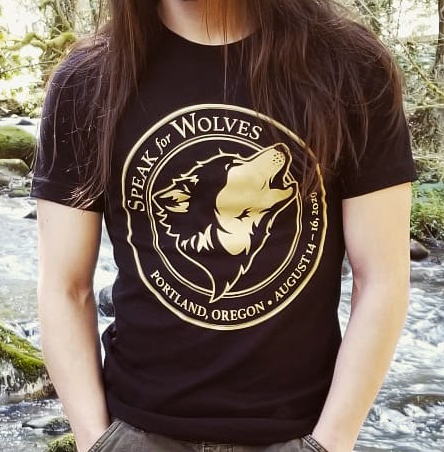 | Grab a 2020 conference t-shirt, screenprinted here in Portland, OR, from our online store before they’re gone |
Campaign success in Washington
Last month, we asked you to call on Washington officials to end the state’s wolf-killing policies that led to the demise of the Wedge pack in August and many other wolves in recent years.
Thanks to public pressure and tireless work by conservation organizations, Governor Inslee directed the Washington Fish and Wildlife Commission to draft new rules governing the killing of wolves involved in conflicts with livestock!
Read the CBD press release.


 Speak for Wolves