 Speak for Wolves
Don’t Miss Out! Register for the 9th Annual Speak for Wolves Conference


We’re counting down the last couple of weeks until we see you again online for a thought-provoking, info-packed program at this year’s Conference!
If you haven’t registered yet, do so now! To keep the conference accessible to as many folks as possible, there’s no required cost to register. (donation suggested).
Online meeting access information will be e-mailed to all registrants in the week leading up to the conference.
Speaker Announcements

Jazmin “Sunny” Murphy is a science communicator and reporter that specializes in the intersection between Black and Indigenous U.S. histories as they overlap with ecology.
Genuine, thorough “decolonization” requires an objective, in-depth evaluation of the systems and culture that led to modern power and representation imbalances. The “decolonization” of conservation will be a monumental task.
Sunny will propose a five-step approach to begin dismantling the systems that marginalize Black and Indigenous conservationists. This presentation will provide a robust foundation on which to build meaningful, effective decolonization programs for conservationists.

John Barnes is an investigative reporter who led projects for the largest and most-read newspaper group in his home state of Michigan, MLive.com. Among other things, John’s efforts have exposed state and federal wolf management failings.
The Freedom of Information Act helped reconstruct how money, a powerful lawmaker, a fabricated cattle attack, and one farm with “poorly buried” carcasses led to the questionable shootings of 11 gray wolves in the past six years.
Featured Sponsor

Mountain Rose Herbs, a Eugene, Oregon-based supplier of botanicals, believes that people, plants, and planet are more important than profit.
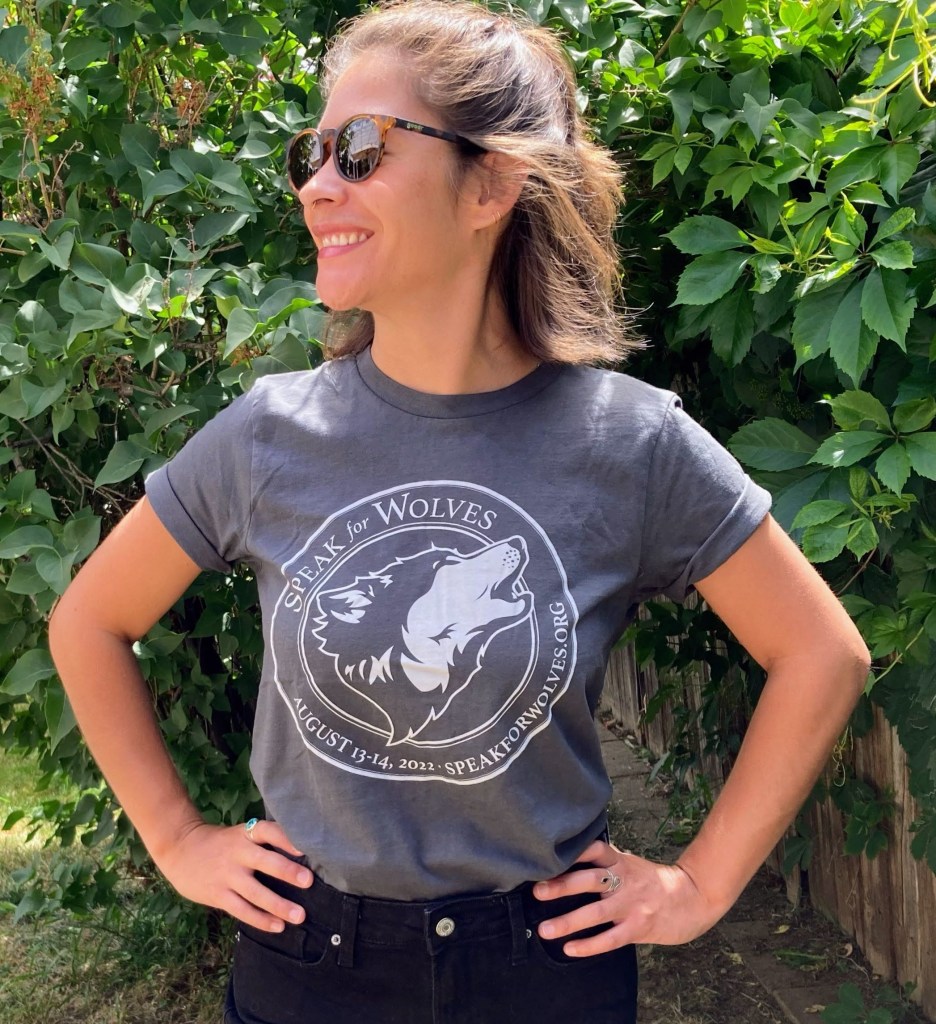
2022 Conference T-shirts
An annual fundraiser and collector’s item for the Conference, our 2022 conference t-shirts are printed on 100% organic cotton, sweatshop free, USA-made, unisex, super soft Royal Apparel jersey tees in slate gray with light gray ink.
Hand screenprinted by local Portland artist Printed Matter.
Oregon’s newest & cutest wolf family
Despite all of the bad poaching news Oregon had earlier this year, the state now has something to celebrate: earlier this week, Oregon Department of Fish & Wildlife announced that a new wolf family is establishing territory in the Willamette National Forest, southwest of Bend. If the family sticks around through the end of the year, they will officially be designated the Upper Deschutes Pack. Thanks to the partial reinstatement of the federal Endangered Species Act listing of wolves (excluding those in the Northern Rockies) earlier this year, these wolves are currently protected.

Was Yellowstone’s Deadliest Wolf Hunt in 100 Years an Inside Job?
Read the latest exposé published this week by The Intercept: Rocky Monutain Massacre, exploring the deadly killing season for Yellowstone wolves and the terrible state of wildlife “management” in Montana.

(Image credit: US National Park Service/ Jacob W. Frank )
Sponsor the Conference
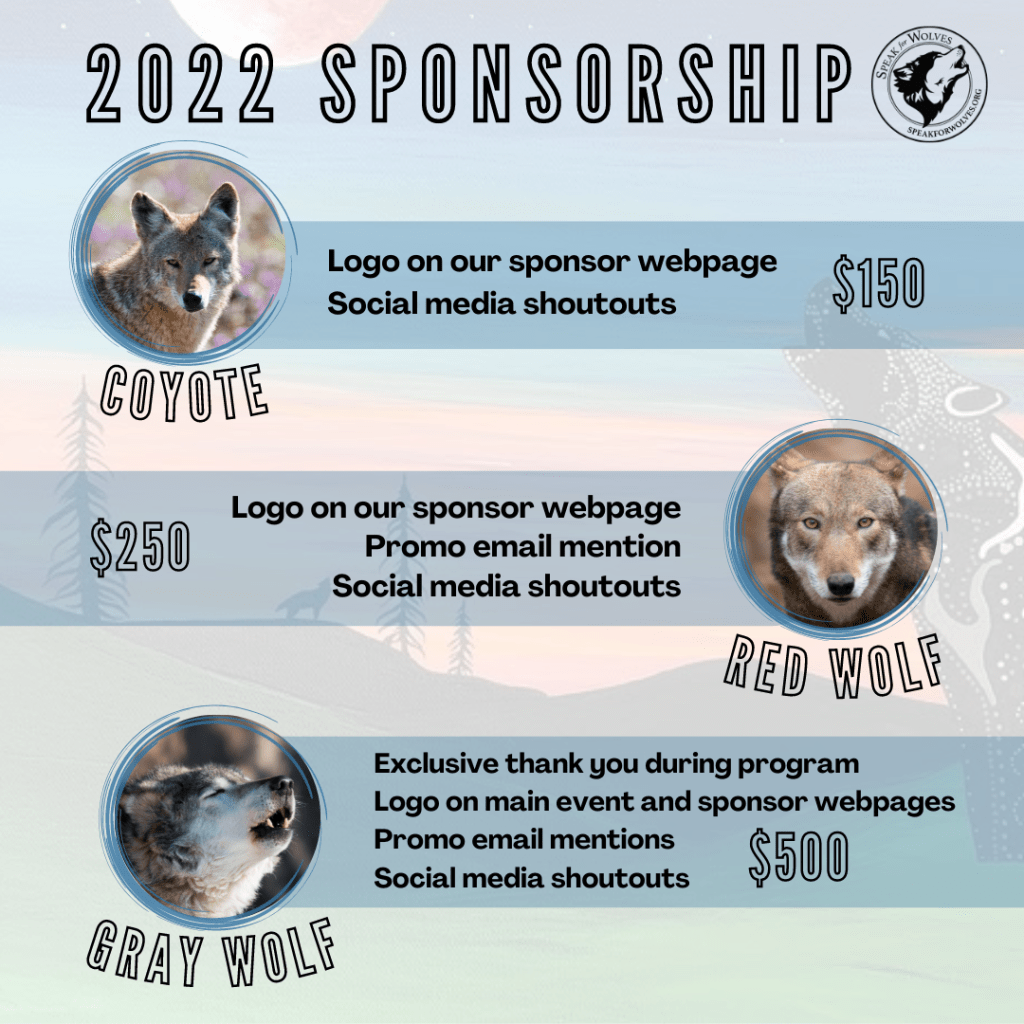
Interested in sponsoring the Speak for Wolves 2022 Conference? Support from sponsors helps us keep our grassroots conference accessible to all. Reach out to us at info@speakforwolves.org!
Speak for Wolves is a 501(c)3 nonprofit organization with a GuideStar Silver seal of transparency. Donations are tax-deductible in the US: EIN: 46-2867294.
Register Now for the 9th Annual Speak for Wolves Conference

The Conference is less than a month away! Meet two more speakers below and register today to reserve your spot.
Online meeting access information will be sent to all registrants in the week leading up to the conference.
Speaker Announcements

Dillon Hanson-Ahumada leads the Endangered Species Coalition’s organizing efforts in Colorado, focusing on issues including wolves, pollinators, and wildlife corridors.
Dillon has also worked on protecting marine mammals, combatting illegal fishing, conserving sharks, and advancing strategies to fight ocean plastic pollution.
Dillon will speak about current and potential ways to tie in art to advocacy on wolf conservation issues.management.
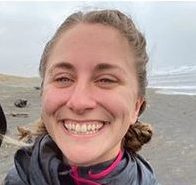
Lizzy Pennock is the carnivore coexistence advocate at WildEarth Guardians. She works toward protecting native carnivores in the Northern Rockies from livestock conflicts on lands currently managed by the US Forest Service and the Bureau of Land Management. Lizzy Pennock is the carnivore coexistence advocate at WildEarth Guardians. She works toward protecting native carnivores in the Northern Rockies from livestock conflicts on lands currently managed by the US Forest Service and the Bureau of Land Management.
Lizzy will focus on the legal authority and responsibility of the US Forest Service and the Bureau of Land Management to manage livestock grazing on the lands they currently oversee to protect native carnivores from livestock conflicts.
She will also discuss the co-existence regulations that these agencies could, and should, put in place, from grazing permits to the national level.

Featured Sponsor
Western Wildlife Outreach provides science-based information to community groups about the ecology, biology, and behavior of grizzly bears, black bears, cougars, and gray wolves, and the low level of risk associated with living with them.
2022 Conference T-shirts
An annual fundraiser and collector’s item for the Conference, our 2022 conference t-shirts are printed on 100% organic cotton, sweatshop free, USA-made, unisex, super soft Royal Apparel jersey tees in slate gray with light gray ink.
Hand screenprinted by local Portland artist Printed Matter.
Two Action Alerts for Northern Rockies Wolves: July 21
This Thursday, July 21, Endangered Species Coalition is holding a White House Phone Jam for Wolves. Let’s flood the White House comment line with dozens of phone calls about wolves throughout the day! Tell President Biden that we want him to take a stand for wolves. Sign up here to get a reminder with the phone number to call and talking points.
July 21st is also the deadline to submit comments on Montana Fish, Wildlife, and Parks 2022-23 Wolf Proposal. Last year, 270 wolves were killed in Montana, 21 of whom lived primarily in Yellowstone. We must speak out to protect Montana’s wolves.
Wolves of the Rockies recently sent out this handy step-by-step guide to submitting comments for this action, including links to relevant documents and talking points.
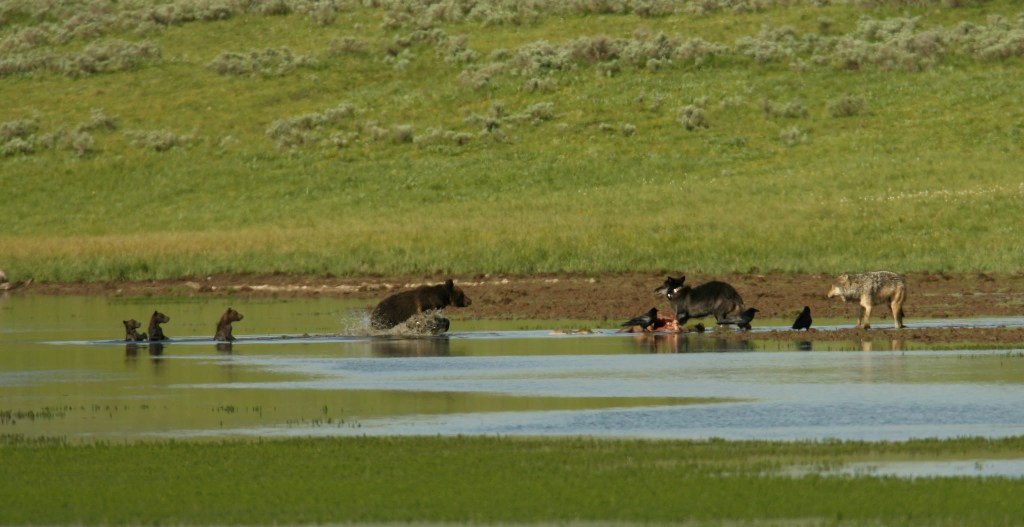
(photo credit: Yellowstone National Park)
Sponsor the Conference
Interested in sponsoring the Speak for Wolves 2022 Conference? Support from sponsors helps us keep our grassroots conference accessible to all. Reach out to us at info@speakforwolves.org!
Speak for Wolves is a 501(c)3 nonprofit organization with a GuideStar Silver seal of transparency. Donations are tax-deductible in the US: EIN: 46-2867294.
Tiana Williams-Claussen presents at the 9th Annual Speak for Wolves Conference

We are honored to introduce a special guest speaker, Tiana Williams-Claussen, for this year’s 9th annual Speak for Wolves conference, which will be held online August 13-14.
The Yurok Tribe, of the area now known as northern California, has been working for years to bring the California condor back to its native habitat. While the news on wolf conservation has been so difficult lately, we’ve found great inspiration in the success story of this condor reintroduction project.
Learn about the Yurok Condor Restoration Program here, watch for updates on condor releases here, and register for the conference today!
Speaker Announcement

Tiana Williams-Claussen, director of the Yurok Tribe Wildlife Department, will provide a brief introduction to the incredible Prey-go-neesh, the California condor, and discuss the traditional paradigm guiding the Yurok Tribe’s efforts to bring them home to northern California and the Pacific Northwest. She will discuss the management approach the Yurok Tribe is taking for reintegrating condor into the region, and provide an update on how the newly released flock is doing!
Instrumental to formation of the Yurok Tribe Wildlife Department, Tiana currently serves as Department Director. Her native upbringing and formal education at Harvard and Cal Poly allow her to bridge the gap between traditional understandings of the world, and those rooted in Western-science, supporting a cohesive, well-informed approach to holistic ecosystem management.
Joint Position Paper Against Trophy Hunting
Speak for Wolves recently singed onto a joint position paper along with 136 other conservation and animal protection organizations from around the world, including 45 non-governmental organizations from African countries, speaking out against trophy hunting and urging policymakers to ban imports.
“Trophy hunting stands out among the worst forms of wildlife exploitation and is neither ethical nor sustainable. In the face of the man-made global biodiversity crisis, it is unacceptable that exploitation of wildlife simply for acquiring a hunting trophy is still permitted and that trophies can still be legally imported. It is high time that governments end this detrimental practice.” -Mona Schweizer, Pro Wildlife

Call for Fundraiser Auction Items

Support Speak for Wolves with a donation to our upcoming online auction! Experiences, gift certificates, and easy-to-ship items preferred. Reach out to us at info@speakforwolves.org if you’d like to donate.
Action Alerts: Ban Killing Contests on Public Lands; Weigh in on Colorado & Minnesota Wolf Plans
Voice Your Support for H.R. 7398: the Prohibit Wildlife Killing Contests Act of 2022! Check this Project Coyote Action Alert to see if your US House Rep serves on the House Committee on Natural Resources, and if they do, write to urge them to support HR 7398!
The Colorado Parks and Wildlife Stakeholder Advisory Group (SAG) is considering future recreational hunting of wolves. Submit public comment through the Keystone website here and consider writing a letter to the editor using guidance from WildEarth Guardians media action page. Attend the Colorado Parks and Wildlife Commission meeting in Edwards, Colorado on July 21 and 22 to make your voice heard in the development of the Colorado Parks and Wildlife’s wolf management plan.
Minnesota Department of Natural Resources is seeking public comment on their draft wolf plan update. Comments are due by Monday, August 8th, and a free informational webinar about the plan will be held Wednesday, July 13. Register for the webinar, and review & comment on the plan here.
Become a Sponsor
Interested in sponsoring the Conference? Support from sponsors helps us keep our grassroots conference accessible to all. Drop us a line at info@speakforwolves.org!
Speak for Wolves is a 501(c)3 nonprofit organization with a GuideStar Silver seal of transparency. Donations are tax-deductible in the US: EIN: 46-2867294.
Register Now for the 9th Annual Speak for Wolves Conference
The conference is less than 2 months away, and we’re busy putting together a great slate of speakers to update us on wolves across the continent! Meet two of our speakers below, and register to reserve your spot!
Online meeting access information will be sent to all registrants in the week leading up to the conference.
Speaker Announcements
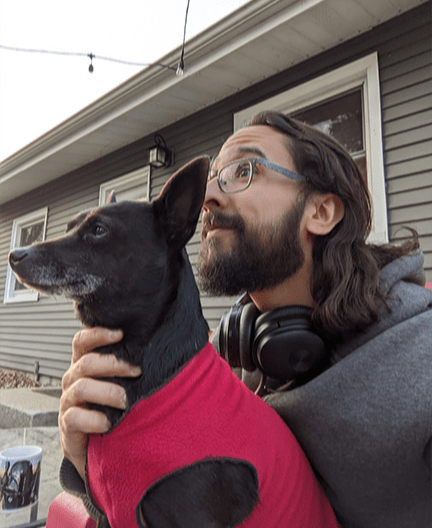
Francisco J. Santiago-Ávila is an interdisciplinary researcher and nature advocate with over a decade’s experience in conservation and animal science, ethics, and policy issues. He is the BIG RIVER CONNECTIVITY Science and Conservation Manager for Project Coyote and The Rewilding Institute, and a founding member of
PANWorks, a not-for-profit think-tank dedicated to cultivating compassion, respect, and justice for animals.
Fran will discuss wolves and our relationships to the nonhuman world more generally, including: conservation, science, policy, worldviews, ethics, animal agriculture, and hunting.

Shawn Donnille, CEO and owner of Mountain Rose Herbs, will discuss the importance of wolf conservation for businesses.
As an employer in the farming and manufacturing industry with nearly 250 employees, Mountain Rose Herbs has always been an agricultural voice at the the capitol arguing for stronger wolf protections, and has presented compelling testimony which has contributed to influencing political decisions surrounding wolf conservation.
2022 Conference T-shirts
An annual fundraiser and collector’s item for the Conference, our 2022 conference t-shirts are printed on 100% organic cotton, sweatshop free, USA-made, unisex, super soft Royal Apparel jersey tees in slate gray with light gray ink.
Hand screenprinted by local Portland artist Printed Matter.
Action Alert: Colorado Already Considering Wolf Hunting as Reintroduction Efforts Begin
The Colorado Parks and Wildlife Stakeholder Advisory Group (SAG) is introducing the notion of recreational hunting of Wolves. The SAG is a group of stakeholders that propose considerations for the wolf management plan to Colorado Parks and Wildlife.
Decision makers need to hear from the public that you want wolves restored for their ecological impacts and their inherent right to exist in historic habitat, NOT to be a trophy on someone’s wall. Submit public comment through the Keystone website here
Colorado residents: Attend the Colorado Parks and Wildlife Commission meeting in Edwards, Colorado on July 21 and 22 to make your voice heard in the development of the Colorado Parks and Wildlife’s wolf management plan.
In addition to showing up at public meetings, writing letters to the editor to amplify our calls for wolf protection are vital for advocacy. Letters to the editor help to spotlight issues and demonstrate that the public cares, which helps to influence decision makers, and ultimately drive lasting policy change. WildEarth Guardians has made it easy to write and personalize your own letter to the editor through a media action page.
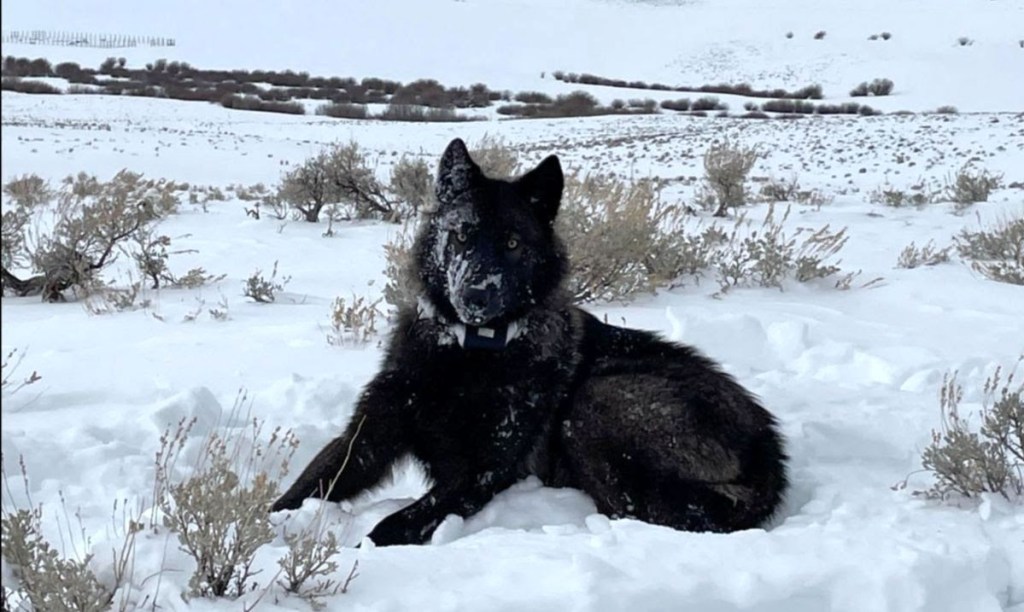
Action Alert: Comment on Minneosta’s Draft Wolf Plan Update
Minnesota Department of Natural Resources announced today that they are seeking public comment on their draft wolf plan update. Comments are due by Monday, August 8th, and a free informational webinar about the plan will be held at 6 p.m. Wednesday, July 13. Registration is required for the webinar.
Review and comment on the plan here.
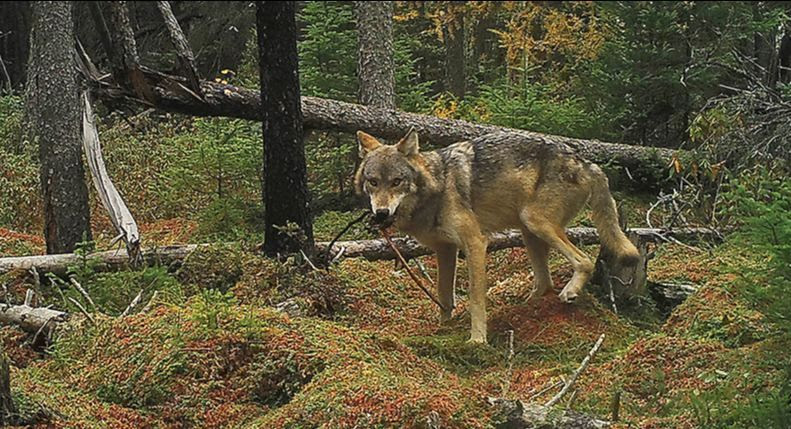
(photo credit: Minnesota DNR)
Oregon and Washington Continue Killing Wolves for Fear that They Might Eat Cows that Humans Wanted to Eat
The Oregon Department of Fish and Wildlife shot and killed a second Chesnimnus pack wolf last week, then promptly announced that they plan to kill four more, for fear that the pack might eat more cows. ODFW reported that there were nine wolves in the pack at the end of 2021, so killing four more, in addition to the twalready killed by the state and one killed by a car in January, will decimate the pack.
Also this week, Washington Department of Fish & Wildlife killed two members of the Togo pack for the same reason. WDFW and local ranchers have killed Togo pack wolves before; their territory is designated as a “chronic conflict” zone.
Research has shown that “removing” wolves from a pack does not reduce livestock predation, but wildlife agencies continue to practice this unscientific revenge tactic that is likely to backfire.

Speak for Wolves is a 501(c)3 nonprofit organization with a GuideStar Silver seal of transparency. Donations are tax-deductible in the US: EIN: 46-2867294.
Washington is Hiding Dead Wolves

Back in February, the Washington Department of Fish and Wildlife was told by Stevens County sheriffs that four wolves were found dead during a snowmobile patrol. Rumors had been circulating about poaching in the northeast corner of the state.
Yet in their March, April, and May wolf reports, WDFW made no mention of these deaths, reporting only one wolf death from natural causes in April. The department flat out denied rumors of poaching to their own Wolf Advisory Group (WAG) in April, and refused to publicly answer questions about poaching incidents at their May meeting.
Finally on May 25th, the agency admitted that they were investigating the killing of 4 wolves, but have yet to provide any further details. Why are they being so secretive? Do they not want people to know that Washington has a poaching problem as bad as Oregon’s?
Speak for Wolves has donated to the $30,000 reward offered for information leading to an arrest in this case.
Washington residents:
Send letters asking for agency accountability & transparency to Governor Inslee and key WDFW commissioners & staff via this NARN Action Alert.
Action Alert: Corruption at Wildlife Services Killed Mexican Gray Wolves
In the response to the recent exposé in The Intercept, USDA Whistleblower Reveals Fraudulent Wolf Kills, our friends at Project Coyote are demanding a full investigation into Wildlife Services’ New Mexico and Arizona offices.
“I know some of those depredation [report]s that caused [wolf] removals were illegal,” [the whistleblower] told The Intercept, explaining that inspectors had been instructed by superiors to confirm livestock loss incidents as “wolf kills” for ranchers.
We cannot let Wildlife Services get away with this corruption and fraud that cost endangered wolves’ precious lives. Join us in calling the USDA Inspector General today! Click here for the phone number and details.

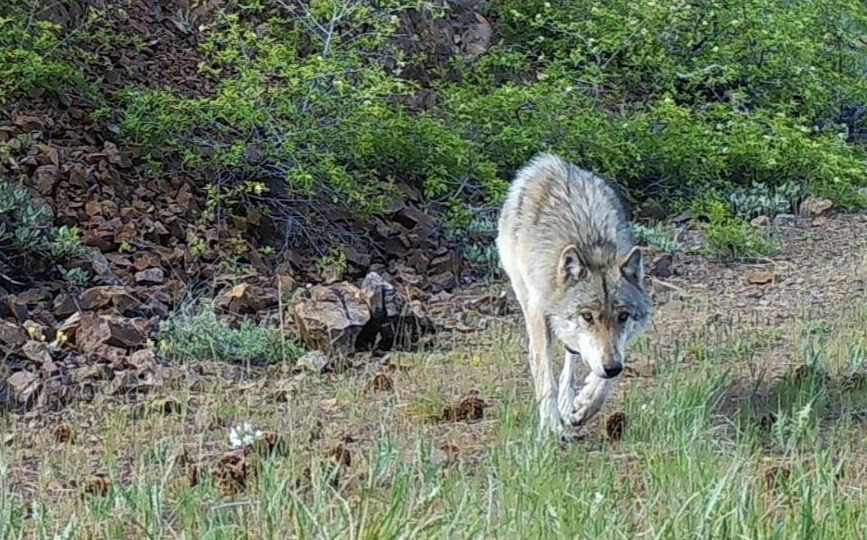
(photo credit: USFWS)
Meanwhile, in Oregon…
Oregon still hasn’t caught any of the poachers responsible for the spate of wolf poisonings and killings that took place in the northeast corner of the state over the last year, but as we reported last month, the Chesnimnus pack still has a kill order looming over them.
Registration Open: Join Us August 13-14
We will again hold the Conference online due to COVID unpredictability.
Stay tuned for speaker announcements, coming soon.
Annual Conference T-shirts are in!
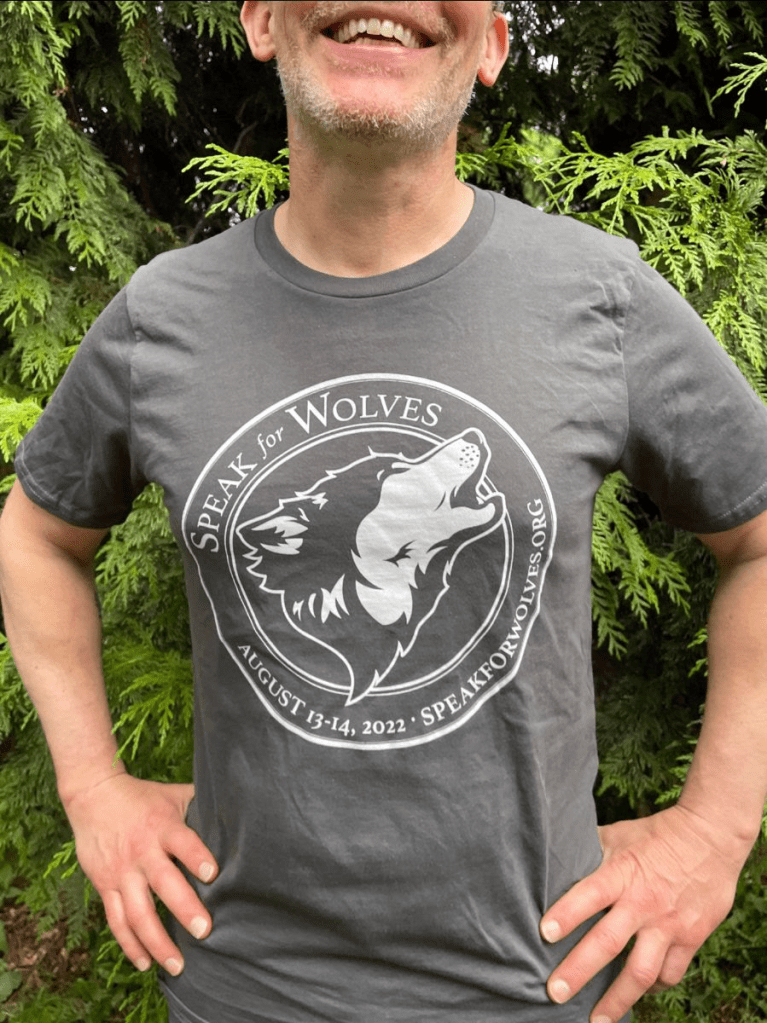
100% organic cotton, sweatshop free, USA-made, unisex, super soft Royal Apparel jersey tees in slate gray with light gray ink.
Hand screenprinted by local Portland artist Printed Matter.
Buy now in our store
$30,000 Reward Offered for Info on Washington Wolf Killings

For Immediate Release, May 27, 2022
SEATTLE— Conservation and animal-protection groups announced a combined $30,000 reward today for information leading to a conviction in the illegal killing of four wolves in northeastern Washington earlier this year.
Deputies from the Stevens County Sheriff’s Office discovered four dead wolves on Feb. 18, while on a snowmobile patrol. An incident report indicates that the deputies reported the deaths immediately to the Washington Department of Fish and Wildlife but didn’t hear back from the agency. Department staff stated for the first time this week that they are actively investigating dead wolves in Stevens County but have not provided further details.
The report did not find any evidence of bullet holes or physical trauma to the wolves, which suggests their deaths may have been the result of poisoning.
“WDFW likes to boast widely about their successful wolf recovery efforts, while continuously hiding key information from the public about the detriment to wolves,” said Steph Taylor, president of Speak for Wolves. “Washington has a poaching problem and wildlife managers need to be more responsible when it comes to promoting education about co-existence with native endangered species. They also need to step up their game in holding these disturbed poachers accountable. Otherwise, this shoot, shovel, shut up culture will continue to thrive.”
“This is devastating news for Washington’s wolves, and each senseless killing must be fully investigated,” said Sophia Ressler, an attorney at the Center for Biological Diversity. “If poachers are allowed to get off scot-free, it only encourages them to kill again. Fish and Wildlife must follow through and bring the perpetrators to justice.”
“The Department has chosen to paint a glowing picture of wolf recovery in Washington, rather than be honest with the public about this tragedy,” said Samantha Bruegger executive director of Washington Wildlife First. “The public, and the wolves, deserve better. We call on the Department to be open with the public about the extent of the illegal killing of wolves in the state, and we ask the public to provide whatever information they can to aid in this investigation.”
“If this is in fact a poisoning situation, putting poison out on the landscape for any unsuspecting creature to feed on is one of the most loathsome things a person can do,” said Brooks Fahy, executive director of Predator Defense, a national nonprofit advocacy group. “It’s not just about killing wolves. It’s also about wanting them to suffer. Poisons also pose a serious threat to other wildlife and pets and are a public safety risk.”
“For the last few years, the Northwest Animal Rights Network (NARN) has been critical of wolf recovery efforts in Washington because these efforts have been wrought with politics every step of the way,” says Rachel Bjork, NARN’s president. “The fact that we are just now hearing about these wolf deaths months later, and not directly from WDFW, leads us to believe that the department has no real interest in accountability to the public.”
“We are disgusted by this illegal wolf slaughter and disappointed in the way the Department has handled it,” said Jocelyn Leroux, Washington and Montana director with Western Watersheds Project. “Washington’s wolves deserve better treatment and the people of Washington deserve transparency.”
The $30,000 reward is being offered by the Center for Biological Diversity, Defenders of Wildlife, Northwest Animal Rights Network, Predator Defense, Speak for Wolves, Washington Wildlife First, and Western Watersheds Project.
Anyone who might have information regarding the incident should call the Washington Department of Fish and Wildlife at (360) 902-2928, visit the department’s website and report a violation, or text WDFWTIP to 847411.
| Contact: | Stephanie Taylor, Speak for Wolves, (971) 288-6184, info@speakforwolves.org Sophia Ressler, Center for Biological Diversity, (206) 399-4004, sressler@biologicaldiversity.org Samantha Bruegger, Washington Wildlife First, (970) 531-6720, sbruegger@wawildlifefirst.org Brooks Fahy, Predator Defense, (541) 520-6003, brooks@predatordefense.org Rachel Bjork, Northwest Animal Rights Network, (206) 334-3742, info@narn.org Jocelyn Leroux, Western Watersheds Project, (406) 960-4164, jocelyn @westernwatersheds.org |

Speak for Wolves exists to empower activists with science- and indigenous land knowledge-based education to challenge existing wildlife management practices and to influence policies that will benefit large predators, amplified by an annual grassroots wildlife conference.
The Center for Biological Diversity is a national, nonprofit conservation organization with more than 1.7 million members and online activists dedicated to the protection of endangered species and wild places.
The Northwest Animal Rights Network advocates for the rights of all sentient beings—the right to choose, to be free from oppression and exploitation—by pursuing campaigns, facilitating education, and connecting Pacific Northwest organizations
Predator Defense is a national nonprofit advocacy organization working to protect native predators and end America’s war on wildlife. Our efforts take us into the field, onto America’s public lands, to Congress, and into courtrooms.
Washington Wildlife First is a 501(c)(3) nonprofit organization dedicated to bringing about reform, accountability, and transparency within Washington’s environmental agencies, beginning with the Washington Department of Fish and Wildlife.
Western Watersheds Project protects and restores western watersheds and wildlife through education, public policy initiatives and legal advocacy.
Registration now open for the 9th Annual Speak for Wolves Conference


Join us online Saturday & Sunday, August 13-14!
We’re planning a slate of excellent speakers with updates on wolves across the US, legislation, grassroots activism, and much more.
Save the dates and reserve your spot!

Speaker Announcements
Lynn Okita is a longtime wildlife advocate with a special interest in wolves. She is a member of the Washington Department of Fish & Wildlife Wolf Advisory Group (WAG); the Board Chair of Western Wildlife Outreach, a nonprofit based in Washington state; and a member of the Pacific Wolf Coalition Steering Committee.
Lynn will give an update on Washington wolves, covering population information, management issues, post-recovery planning, and recent studies/projects in WA. She will also talk about the WDFW Wolf Advisory Group and her perspective as a WAG member.
Speaking of the WAG…
The Washington Department of Fish and Wildlife is seeking candidates to serve a two-year appointment on the citizen committee that advises WDFW’s Director on wolf conservation and management.
This advocacy work is not for the faint of heart. Washington wolves need strong advocates who will fight to rotect them. WA residents can apply here.
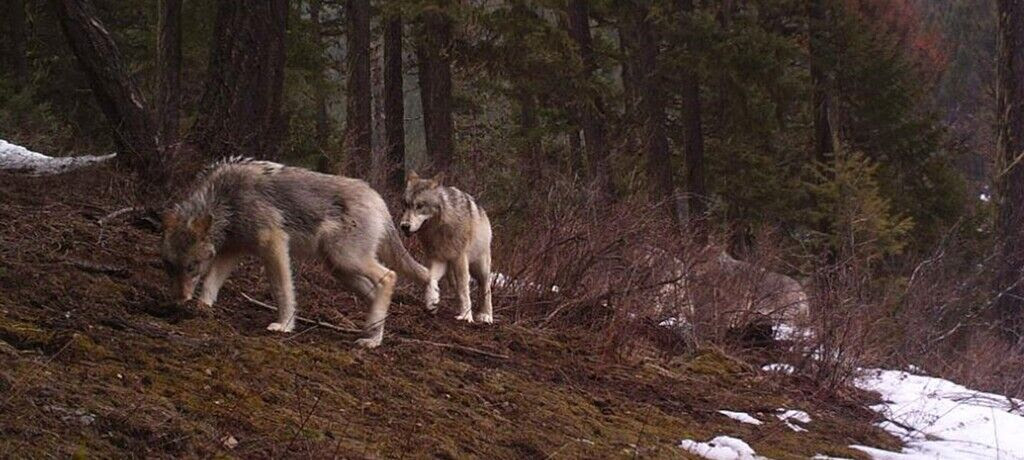
In 2020, WDFW killed the entire pack to protect cows.
Oregon poaching + legal killing
While Oregon hasn’t caught any of the poachers responsible for the spate of wolf poisonings and killings that took place in the northeast corner of the state over the last year, lawmakers have finally woken up to the problem and are strengthening anti-poaching efforts.
Meanwhile, in the same corner of the state, the Oregon Department of Fish & Wildlife (ODFW) issued a kill permit to a rancher for up to 2 members of the Chesnimnus pack for predation on the rancher’s cattle. The rancher legally killed one wolf early this month; the kill permit for the 2nd wolf expires today.
We won’t be surprised if the kill order is extended, since last week the Chesnimnus pack was blamed for killing a calf whose minimal remains didn’t show any signs of attack, but based on ground disturbance, is assumed to have been taken by a predator.

Support the conference
Speak for Wolves is a volunteer-run, women-led, 501(c)3 nonprofit organization.
We aim to keep our annual conference accessible & open to everyone by not requiring payment for registration.
Here are 3 ways you can support the conference:
- Spread the word:
Forward this message to other wildlife advocates and invite your friends via the Facebook even - Donate to our upcoming fundraiser auction:
We are collecting original art, gift certificates, experiences, and high-value items for an online auction. Contact us if you’d like to donate. - Become a Sponsor:
Get details and check out our sponsorship levels here.
Direct Action Manuals back in stock!

The Earth First! DAM is almost 300 pages of diagrams, descriptions of techniques and a comprehensive overview of the role direct action plays in resistance.
Buy now in our store
Stay tuned:
2022 conference t-shirts and exciting new merch are coming soon!
More Poaching in Oregon; New Award Fund Announced

In January, we talked about Oregon’s poaching problem; on February 15h, another female wolf, OR109, was found shot to death.
Just yesterday, Oregon State Police announced the illegal killing of yet another wolf, OR117, a gray 1-year old male near Richland, Oregon.
The Oregon Wildlife Coalition recently launched a new reward program for turning in poachers of non-game species in Oregon. When that species is Canis lupus, Speak for Wolves will commit at least $500 to the reward amount.
We are contributing to the $11,500 reward for information that leads to an arrest for this latest incident.
Oregon residents: contact your ODFW Commissioners and ask them:
What are they going to do to stop the poaching and protect wolves?

You have probably heard the wonderful news that, on February 10, 2022, a U.S. District Court Judge reinstated federal protections and relisted wolves under the Endangered Species Act, from which they had been removed by the Trump administration in 2020. Wolves in the Great Lakes region are again protected.
Though this is a big win for science-based decision making, wolves in Montana, Idaho, Wyoming, and parts of Eastern Washington and Oregon were exempt from this relisting and are still in dire need of federal protections. Learn more and take action at relistwolves.org.
Save the Dates: August 13-14, 20

The 9th Annual Speak for Wolves Conference will be held online Saturday & Sunday, August 13-14.
More details will be announced soon!
Spring Reading & Learning

We recently updated our website with more learning resources, including new research on wolf poaching, some great books, and recommended reading about the #LANDBACK movement.
Set aside some time this spring to take a deeper dive into the history and issues surrounding wildlife management and marginalization of indigenous communities. It’s important for all of us in the conservation movement to reflect on how white supremacy and systematic racism permeates conservation of wildlife and the land.
Oregon’s Poaching Problem
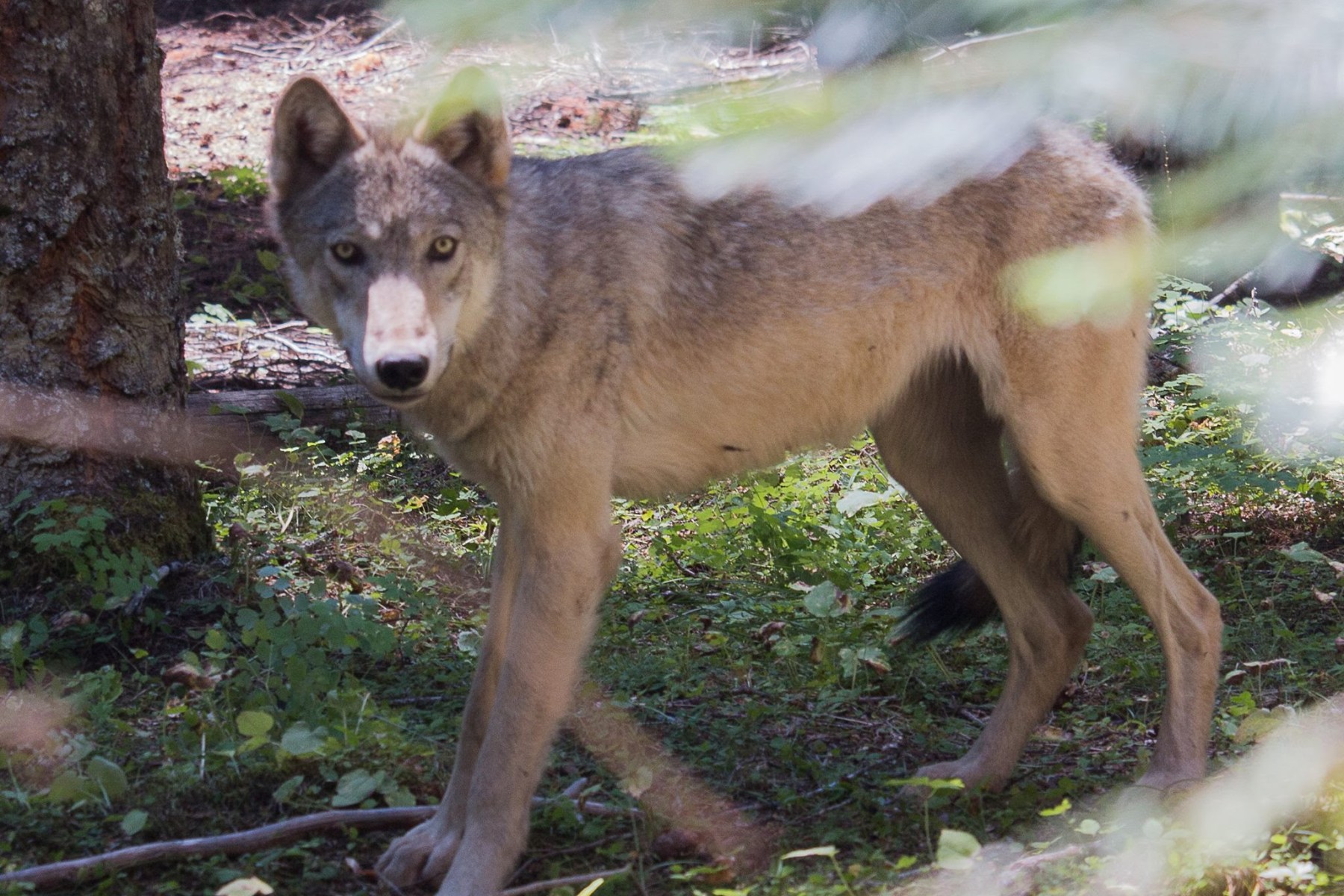
In December, Oregon State Police revealed that, between February and July 2021, eight wolves had been found poisoned in Union County, including the entire Catherine Pack and several members of other packs.
The reward for information leading to an arrest and conviction for these horrific poisonings is now at $50,000, including a $2,300 contribution from Speak for Wolves.
On January 8th, in neighboring Wallowa County, a two-year-old collared female wolf from the Chesnimnus Pack, OR-106, was found illegally shot to death.
Conservation groups announced on Thursday a $16,500 reward for information leading to an arrest and conviction for the illegal shooting death of OR-106. Speak for Wolves contributed $1,000 to this reward.

In Other News:
- WDFW North-Central Region Director Brock Hoenes has been charged with poaching, but WDFW has not taken any disciplinary action and he remains in his job. Washington residents: sign Not My WDFW’s petition to demand Department reform.
- Twenty Yellowstone wolves have been killed so far this hunting season when they roamed outside of park boundaries, including 7 members of the famous Junction Butte pack. With months left in Montana’s wolf hunting/trapping season, park officials asked Governor Gianforte (a wolf trapper) to shut down the season, but he declined. Only when 82 wolves have been killed in Region 3 on the northern boundary of Yellowstone will the Montana FWP Commission consider any potential changes to the season. Region 3 Director Pat Byorth can be reached at: CommissionerRegion3@mtfwp.org

Speak for Wolves is a 501(c)3 nonprofit organization with a GuideStar Silver seal of transparency. Donations are tax-deductible in the US: EIN: 46-2867294.
Reward for Info on Wolf Killed in Oregon’s Wallowa County
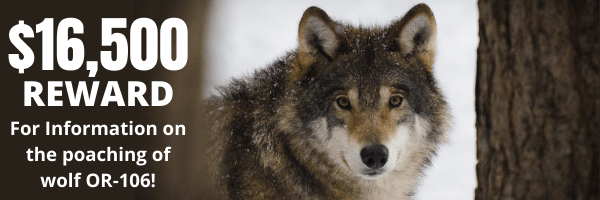
Conservation groups announced today a $16,500 reward for information leading to an arrest and conviction for the illegal shooting death of a two-year-old collared female wolf in Wallowa County in early January. The Oregon Department of Fish and Wildlife Turn in Poachers (TIP) division also offers a potential $300 reward for information regarding illegal wolf killings.
The Oregon State Police reported the incident on Jan. 11, after a concerned citizen alerted them. The slain wolf, designated as OR-106 by state wildlife biologists, was found on Parsnip Creek Road, about six miles southwest of the town of Wallowa in the Sled Springs game management unit. She dispersed from the Chesnimnus Pack, whose territory is in northern Wallowa County.
“We want justice for this young wolf, who was simply seeking a mate and territory of her own before her life was cut tragically short by a bullet,” said Amaroq Weiss, senior wolf advocate at the Center for Biological Diversity. “We call on the state to show its commitment to holding perpetrators accountable by having its Department of Justice launch an independent, thorough investigation into this most recent killing, and past unsolved illegal killings of Oregon’s wolves.”
This new illegal shooting follows the gruesome illegal poisoning deaths of multiple wolves last year in northeast Oregon. Eight wolves from four different packs, including all members of the Catherine Pack, were poisoned in neighboring Union County, in incidents between February and July of 2021.
“The senseless killing of the young female wolf OR-106 is a crime against this animal and all who care about Oregon’s wildlife,” said Brooks Fahy, executive director of Predator Defense, an Oregon-based national wildlife advocacy nonprofit. “It is absolutely critical that the perpetrator of this crime be caught and prosecuted to the full extent of the law.”
“Oregonians are feeling frustrated that there doesn’t seem to be enough of a deterrent to preclude these ongoing wolf killings,” said Adam Bronstein, Oregon/Nevada director of Western Watersheds Project. “Gov. Brown and other government officials need to take immediate action and start investigating these heinous crimes with vigor and resolve.”
“We call on state government and law enforcement to take seriously this devastating trend of illegal wolf killings and allocate all necessary resources to hold the criminals accountable,” said Bethany Cotton, conservation director for Cascadia Wildlands. “We ask community members to come forward with information they may have to solve these crimes and keep Oregon’s rare wildlife safe.”
“When poachers get away with breaking the law it only leads to more poaching and lawlessness,” said Danielle Moser of Oregon Wild. “This is a result of wolves losing their endangered species protections coupled with a culture of poaching permissiveness. For far too long, poachers have been emboldened by those who excuse and celebrate their criminal acts without fear of consequences.”
“We are saddened to hear the tragic news of the cowardly killing of wolf OR-106, but unfortunately, we are not surprised,” said Stephanie Taylor, president of Speak for Wolves. “With 32 poached wolves in Oregon since their return and nearly zero accountability for any of the incidents, it’s clear Oregon’s wildlife managers must do far more to educate the public on co-existence with native wildlife, and massively increase their efforts to hold poachers accountable. Otherwise, this ‘shoot, shovel, shut up’ culture will continue to thrive leading to even more poaching.”
“Illegally killing Oregon’s few wolves out of hatred or spite must stop,” said Kelly Peterson, Oregon senior state director at the Humane Society of the United States. “The death of OR-106 at the hands of a poacher is heartbreaking and infuriating, especially after eight of Oregon’s wolves were illegally poisoned and killed just last year. While this reward cannot bring back these iconic animals, we hope it brings these cruel actors to justice and helps to put an end to the illegal slaughter of our wolves once and for all.”
Anyone with information regarding this case is urged to contact Oregon State Police Sgt. Isaac Cyr through the Oregon Department of Fish and Wildlife’s Turn in Poachers (TIP) hotline at 1-800-452-7888 or *OSP via mobile. Tips can also be submitted via email to TIP@state.or.us (monitored Monday to Friday from 8 a.m. to 5 p.m.).
Background
In the past 21 years, 30 wolves have been illegally killed in Oregon, and two more were found dead under mysterious circumstances, according to authorities. Five of these wolves were found dead in Wallowa County. Arrests and convictions have been made in only three of the 32 deaths.
The Trump administration stripped federal Endangered Species Act protections from gray wolves across most of the country in January 2021, including in western Oregon. Since 2011 wolves in the eastern one-third of Oregon have not had federal protections and were managed solely by the state. In 2015 the state fish and wildlife commission prematurely stripped wolves of state endangered species act protections.
Even without state or federal protections, wolves are protected under Oregon’s Wolf Conservation and Management Plan. Wolves may be killed only in self-defense and by Oregon’s wildlife agency staff in instances of chronic livestock predations. Individual livestock owners throughout Oregon may kill a wolf in the act of attacking livestock and, in the eastern half of the state, a wolf that is chasing livestock. Oregon does not currently allow wolf hunting or trapping seasons.
Scientific research has shown that removing protections for wolves is associated with increased illegal killings of wolves, and that for every illegally slain wolf found, another 1 to 2 wolves have been killed that will remain undiscovered.
Groups contributing pledge reward amounts are the Center for Biological Diversity, Predator Defense, Western Watersheds Project, Cascadia Wildlands, Oregon Wild, Speak for Wolves, Northeast Oregon Ecosystems and The Humane Society of the United States.
The Center for Biological Diversity is a national, nonprofit conservation organization with more than 1.7 million members and online activists dedicated to the protection of endangered species and wild places.
Predator Defense is a national nonprofit advocacy organization devoted to protecting essential native predators, helping people learn to coexist with wild animals, and ending America’s war on wildlife. They have been championing native predators with science, sanity, and heart since 1990.
Western Watersheds Project (www.westernwatersheds.org) is a nonprofit organization with over 12,000 members and supporters dedicated to protecting and conserving the public lands and native wildlife of the American West with a focus on the harmful impacts from domestic livestock grazing.
Cascadia Wildlands defends and restores Cascadia’s wild ecosystems in the forests, in the courts and in the streets.
Oregon Wild works to protect and restore Oregon’s wildlands, wildlife and waters as an enduring legacy for future generations
Speak for Wolves exists to empower activists with science and indigenous land knowledge-based education to challenge existing wildlife management practices and to influence policies that will benefit large predators, amplified by an annual grassroots wildlife conference.
Northeast Oregon Ecosystems – Speaking up for Oregon’s environment and wildlife.
Founded in 1954, the Humane Society of the United States fights the big fights to end suffering for all animals. Together with millions of supporters, we take on puppy mills, factory farms, trophy hunts, animal testing and other cruel industries. With our affiliates, we rescue and care for tens of thousands of animals every year through our animal rescue team’s work and other hands-on animal care services. We fight all forms of animal cruelty to achieve the vision behind our name: A humane society. Learn more about our work at humanesociety.org. Subscribe to Kitty Block’s blog, A Humane World. Follow the HSUS Media Relations department on Twitter. Read the award-winning All Animals magazine. Listen to the Humane Voices Podcast.


 Speak for Wolves